
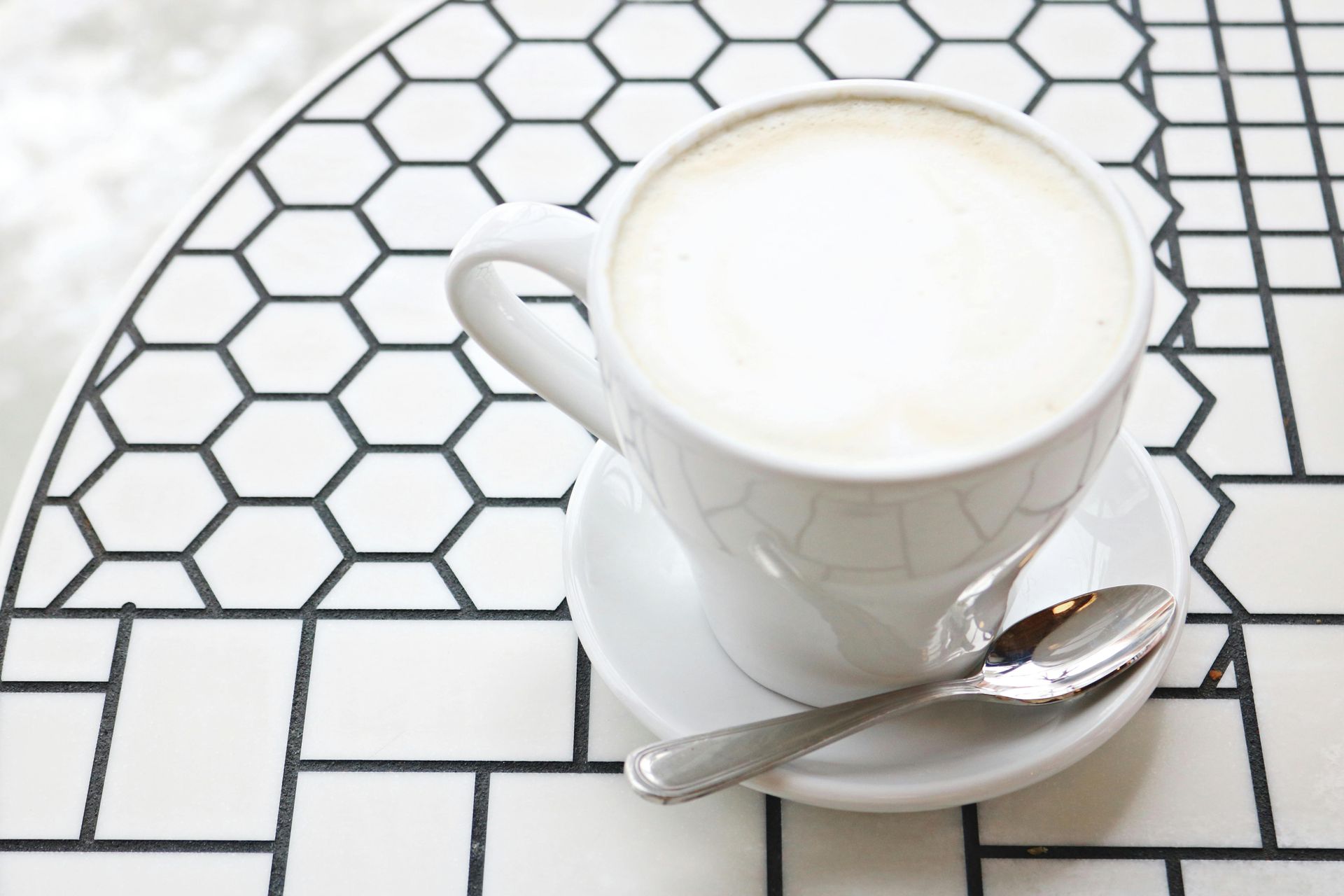
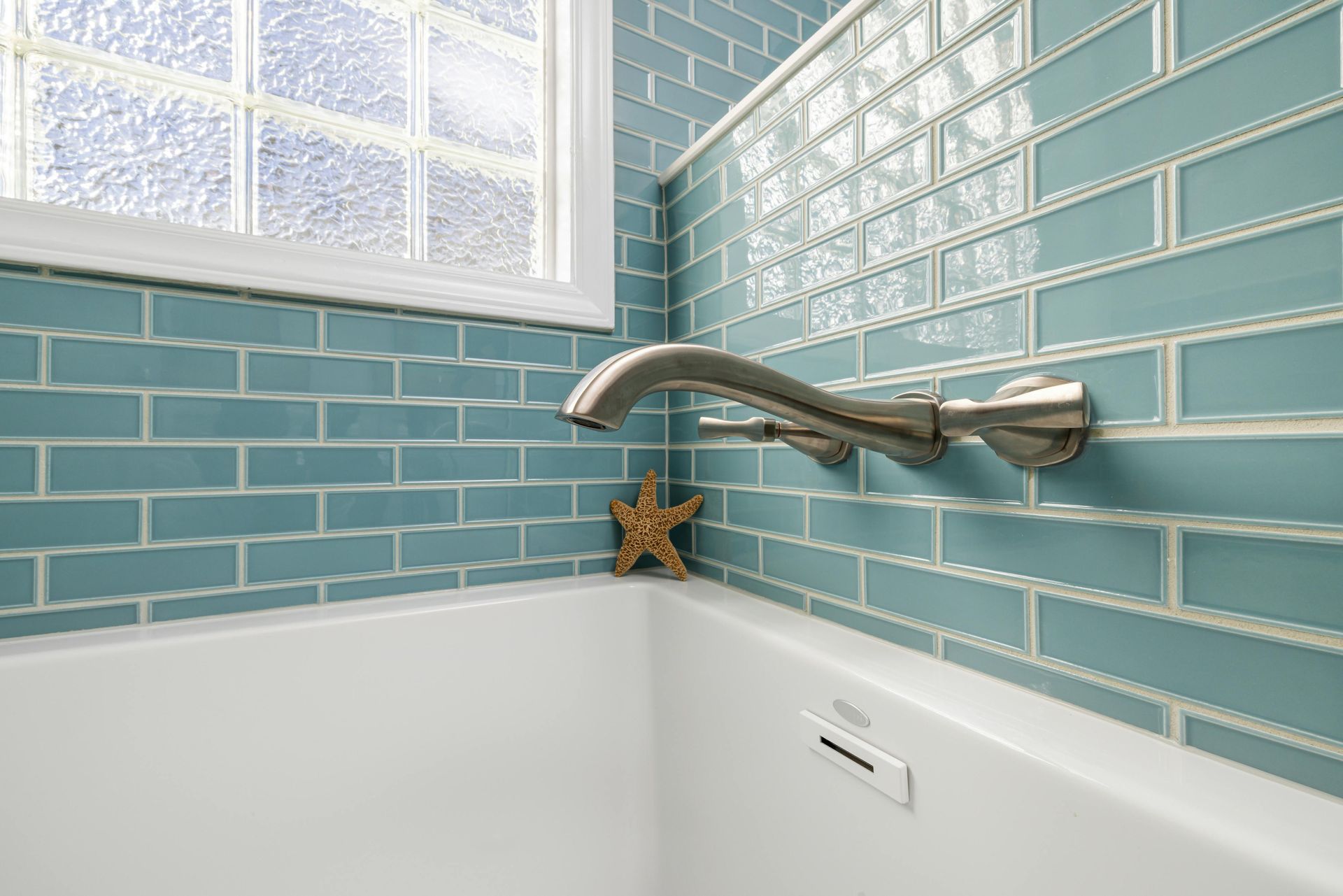
Selecting the right grout colour is just as important as choosing your tiles when it comes to tiling projects. The grout can make a significant difference in the overall look of your finished space, enhancing the aesthetic and ensuring a polished appearance. With so many options available, it may seem overwhelming, but this guide will help you navigate the process of choosing the perfect grout colour for your project. Understanding Grout Basics Before diving into colour choices, it's essential to understand what grout is and its functions: Purpose of Grout : Grout fills the spaces between tiles, providing structural support and preventing moisture from getting under the tiles. It also plays a crucial role in aesthetics, influencing the overall look of your tiling. Types of Grout: Grout typically comes in two main types—sanded and unsanded. Sanded grout is used for wider joints (usually more than 1/8 inch) and is more durable, while unsanded grout is used for narrower joints, providing a smoother finish. Factors to Consider When Choosing Grout Colour Tile Colour and Pattern: Consider the colour and design of your tiles. If you want the grout to blend seamlessly with the tiles, choose a colour similar to the tile. This can create a more uniform look. For patterned tiles, a contrasting grout can highlight the individual tiles and enhance the overall design. Room Size and Ambiance: Lighter grout colours can make a space feel more open and airy, especially in smaller rooms. However, they may show stains more easily. Darker grout colours can create a dramatic look and work well in large spaces. They also tend to hide dirt and stains better. Grout Maintenance: Lighter-coloured grout may require more maintenance and cleaning to keep it looking fresh. In high-traffic areas or places prone to moisture, like kitchens and bathrooms, consider choosing a colour that helps conceal dirt. Setting the Mood: Just as wall colours affect mood, grout colour can contribute to the overall ambiance. Warm-toned grout can create a cozy feel, while cool-toned grout can make a space feel more modern and sleek. Style of the Space: Consider the design style of the room. For a contemporary look, opting for a high-contrast grout colour can add to the modern aesthetic. Conversely, if you’re going for a traditional look, a matching or muted grout colour can provide a classic finish. Popular Grout Colour Choices White: Classic and bright, white grout can enhance the lightness of a room but requires maintenance to avoid staining. Grey: A versatile option that works well with both light and dark tiles, grey grout can provide a soft contrast without being too stark. Beige or Taupe: Neutral tones like beige or taupe offer warmth and can blend nicely with natural stone or earthy tones, creating a cohesive look. Black: Black grout provides a bold contrast, particularly effective with light tiles. It’s great for hiding stains but should be used thoughtfully to avoid making the space feel darker. Bold Colours: For those looking to make a statement, consider using bold colours like navy blue, deep green, or even red. These options can add character and enhance decorative themes. Testing Your Grout Colour Before making a final decision: Sample Boards: Create sample boards with your chosen tile and grout colours. This allows you to see how they work together under different lighting conditions. Lighting Considerations: Pay attention to how the grout looks in various lighting settings throughout the day. Natural and artificial light can significantly affect the appearance of the grout colour. Choosing the right grout colour is a vital aspect of any tiling project that can greatly influence the look and feel of your space. By considering your tile choices, room conditions, and personal style, you can select a grout colour that enhances your design and meets your practical needs. Take your time, test samples, and don’t hesitate to consult with professionals if you need assistance. With the right grout, you’ll ensure that your tiled spaces shine beautifully for years to come. Happy tiling!
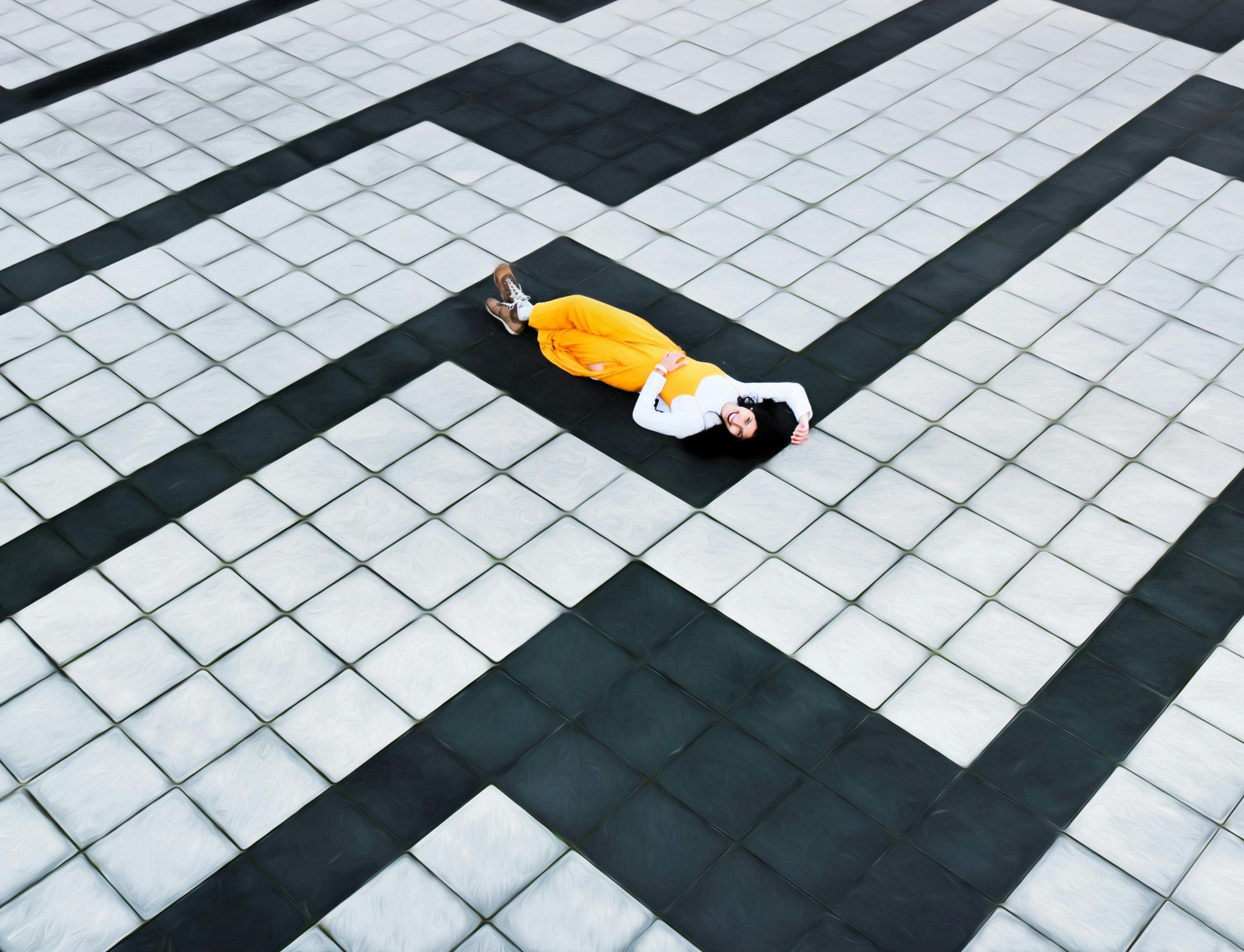
As we step into 2025, the world of interior design continues to evolve, bringing fresh and exciting trends to the forefront. Tile designs have become an essential element in modern home decor, offering not only functionality but also artistic expression. Whether you’re renovating your home or simply looking to refresh your space, staying updated on the latest tile trends can inspire your next decorating project. Here are some of the hottest tile designs that are taking centre stage in 2025.